Key Points:
- Asphalt is easily affected by extreme weather.
- Rain is among the biggest enemies of asphalt paving, as it causes moisture buildup.
- Speedy winds and circulating air can also decrease the compaction of asphalt.
Introduction
Last year, you got a new asphalt pavement, but now you notice that it’s no longer the same. You are worried as your investment is being ruined day by day. All you did was hire professional contractors to get the asphalt paving services in CT, but still, it’s in bad condition and less than a year old. The answer to this issue is the weather’s impact on asphalt paving.
But, how does it affect it, and can you save it? You don’t have to stress because all of this will be covered in the following piece. So, without wasting time, let’s explore how weather and climate affect paving.
Why is the Weather So Important For This?
Asphalt can only survive in certain environmental conditions.
Because if it’s cooled quickly or used in poor conditions, you can notice early cracking, weakened bonding, or uneven surfaces. These are enough to reduce the life span of a pavement.
Various factors affect the asphalt paving services. Let’s read about them:
1. Hot vs Cold Temperature
- Cold-Weather Asphalt Damage
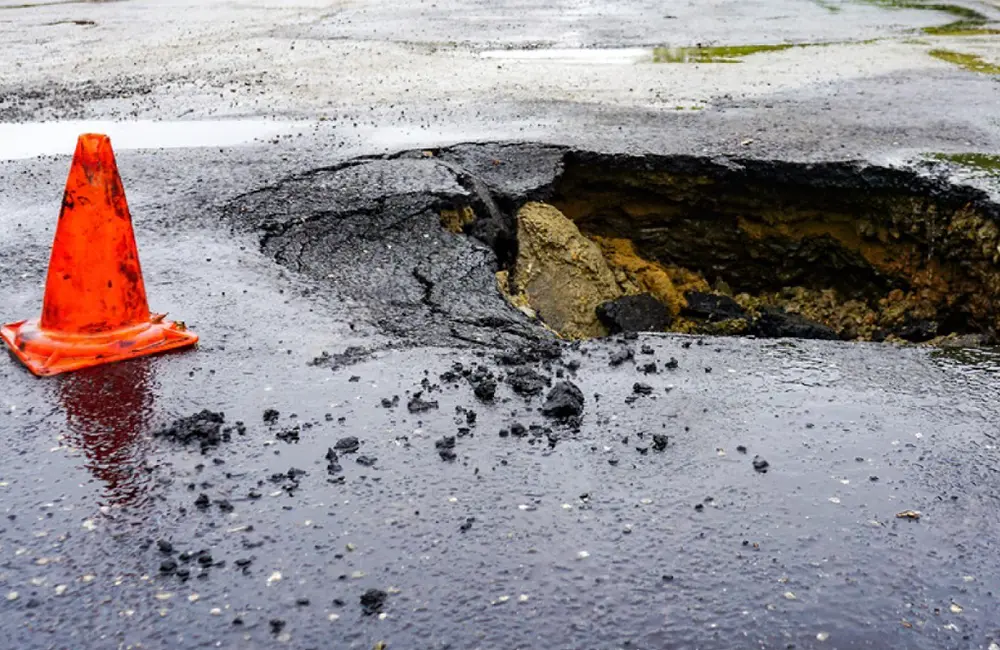
If the temperature is below 50°F, asphalt can get cool in no time. This way, the time to spread and compact it may be affected. Due to this, the bonding will be weak, and the pavement will notice cracking and potholes.
- Hot Weather Asphalt Issues
If you are facing weather above 90°F, asphalt may get too soft, even risking the deformation of the surface under the weight of paving equipment. This way, workers can face health risks, which ultimately lead to shorter working hours.
2. Effects of Rain and Moisture Buildup
Do you know who’s the biggest enemy of asphalt? It’s moisture. If you unfortunately have to deal with rain while installing, bonding can be affected in the process. Also, it can enhance the risk of trapping moisture between the layers of pavement, which can be damaged after freezing.
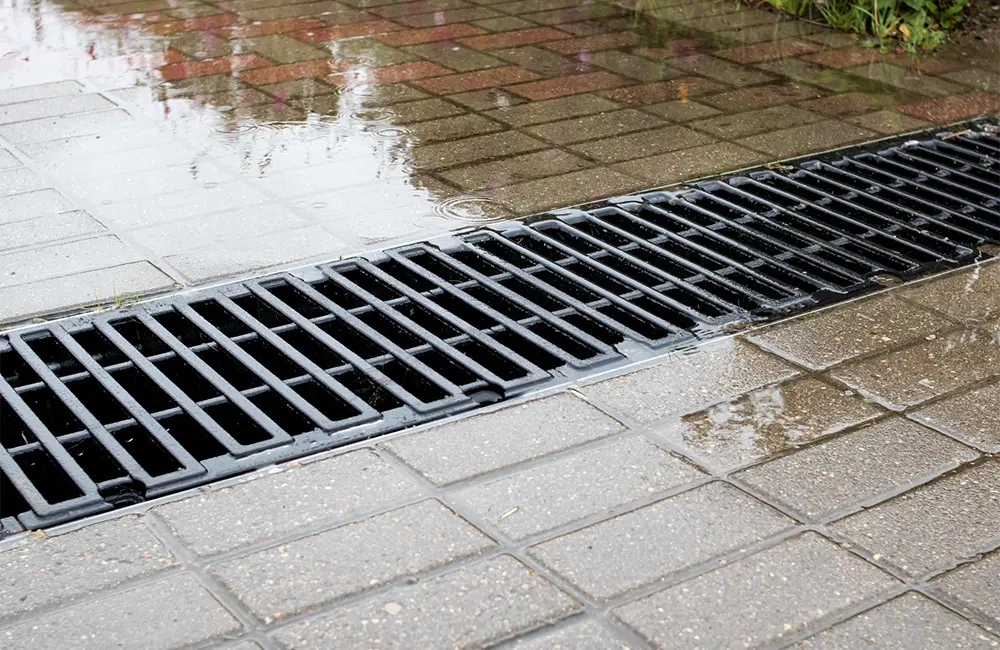
The best advice to avoid this, always pave on a dry day and make sure there’s no moisture at all. Also know the importance of proper drainage around driveways and paved areas.
3. Humidity and the Subsurface Conditions
We know that humidity always decreases evaporation and can cause lingering moisture in the subgrade. It can decrease the strength of the foundation over time, compromising the pavement’s integrity over time. To avoid it, contractors often adjust the mix design and drying time during the paving process.
4. Speed of Wind and Air Circulation
Wind can speed up the cooling of hot asphalt, which can limit the working time.
Alternatively, on the cooler days, it can be a huge issue. It may decrease the available time for asphalt compaction.
5. Considerations According to the Seasons
- In Spring
This season may seem ideal for paving, but what people don’t know is that wet grounds and unpredictable weather conditions can delay it. And when there’s melting snow, the base layer gets saturated, which should be dry before even paving starts.
- In Summer
Summers are best for asphalt paving. In this season, you have stable temperatures and dry conditions, which make the conditions suitable for paving. But as we know, excess of everything is bad; therefore, extreme hot temperatures have to be managed smartly.
- In Fall
The early time of the fall season is also considered nice for paving, because you’ll find less competitive contractor schedules.
But, in the cooler nights, early frosts can create problems.
- In Winter
This season isn’t considered good for paving at all. Asphalt cools too quickly in these temperatures. Even though it’s hard to find this material in winter.
Quick Tips
- You need to check for the signs of moisture and erosion after storms.
- Prioritize the cleanliness of the site to avoid oil and debris accumulation. You should always use the seal coating every 2 to 3 years to protect it from the UV light, water, and chemicals.
- You should always prefer to repair the cracks on an immediate basis.
Should You Hire A Contractor?
We have talked about how the weather impacts the asphalt paving. Confusion begins when you think about hiring a professional contractor or not. The professional company should understand all the possibilities of how the paving may be affected.
So, where and how can you find a local, professional company? You don’t have to worry when Garci’s Tree Service & Landscaping is here. We have decades of experience serving Connecticut’s residential and commercial areas with our quality paving services. We also deliver emergency repairs and parking lot paving services for our beloved customers. If you need us for the pavement of your site, call us now!
Frequently Asked Questions
How many types of pavement exist?
Commonly, there are four main types of pavement:
- Rigid pavements
- Semi-rigid pavements
- Composite pavements
- Flexible pavements
What is the difference between asphalt and blacktop?
The former one is a type of composite that contains aggregates, binder, and filler. On the other hand, blacktop is also a type of asphalt that has a higher ratio of stone to bitumen.
Is asphalt more powerful than concrete?
No, concrete is more powerful as compared to asphalt, due to not having the same number of pores. This makes the concrete resistant to weather and durable against heavy foot traffic.