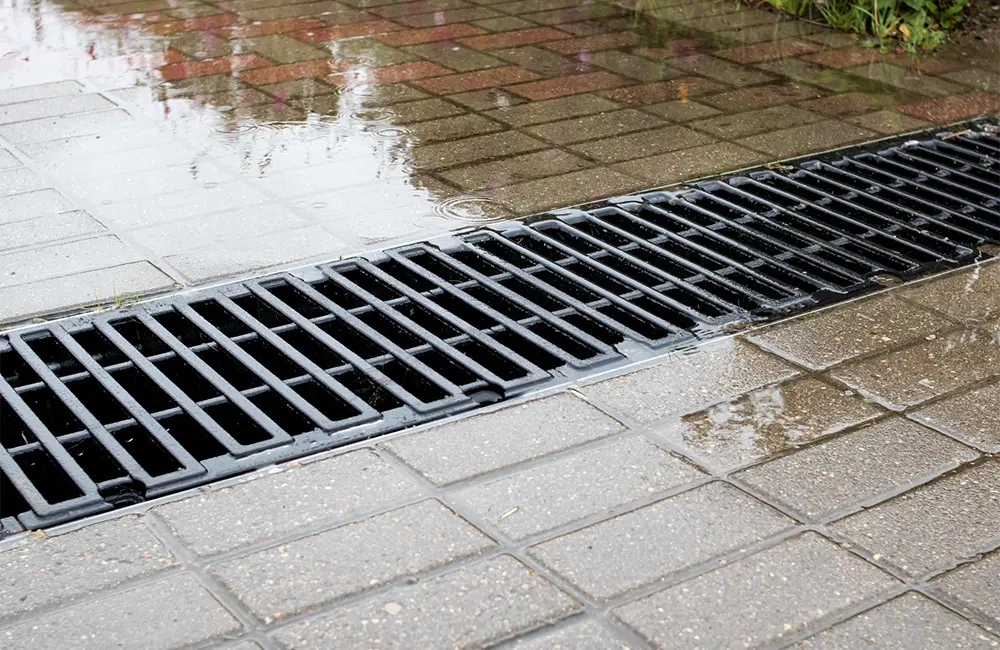
Key Points
- A good asphalt driveway drainage system keeps the driveway safe.
- Correct drainage prevents cracks.
- Unreliable drainage destroys the outdoor area.
- Drains and tunnels guide water to the gutters.
- We offer long-lasting drainage systems.
Introduction
Every home or business with a driveway or some kind of paved area must have drainage. Water needs paths, and not having any means that the water collects. Accumulation of water on the surface destroys concrete and asphalt. It also ruins the soil below. When that occurs, driveways begin to crack, sink, or even separate.
Good drainage can help keep everything in balance. It shuttles water off your pavement before it can do any damage. It also protects your house, your yard, and your investment. Most property owners don’t give drainage a second thought until it’s an issue. This turns into a big issue. It’s better to fix it early because it’s cheap.
The driveway must stay dry, which is possible only if the drainage system is effective. The surface lasts longer, and it looks better. You will never see any puddles, ice, or damage. Which is why good asphalt driveway drainage is essential on every property.
What is a Driveway Drainage System?
Driveway drainage is a complicated process that controls the flow of water. It protects the pavements from damage. It includes drains and channels that carry water. Without it, rainwater pools and seeps into cracks. When it filters down to lower layers, it erodes the groundwork.
Great drainage systems transport water using the force of gravity. The surface of the pavement has a slope. Rainwater runs toward the street. Drains remove water via pipes. The pavement remains firm and dry. But if anything goes wrong, a covered drain, improper slope, or anything else, water begins to puddle. Small puddles later become massive problems.
Why is Proper Drainage Important?
- Prevents Collection of Water
We often see puddles of water, and this doesn’t look like a problem. Accumulation of water in the driveway hinders parking. It also causes stains and attracts dirt. The water escapes into the pavement and erodes it from within.
In winter, those pools become patches of ice. Ice forms and cracks the road. It also creates slippery driveways and walkways. Good drainage keeps water from remaining stationary. It also makes the area clean and dry.
- Protects Pavement
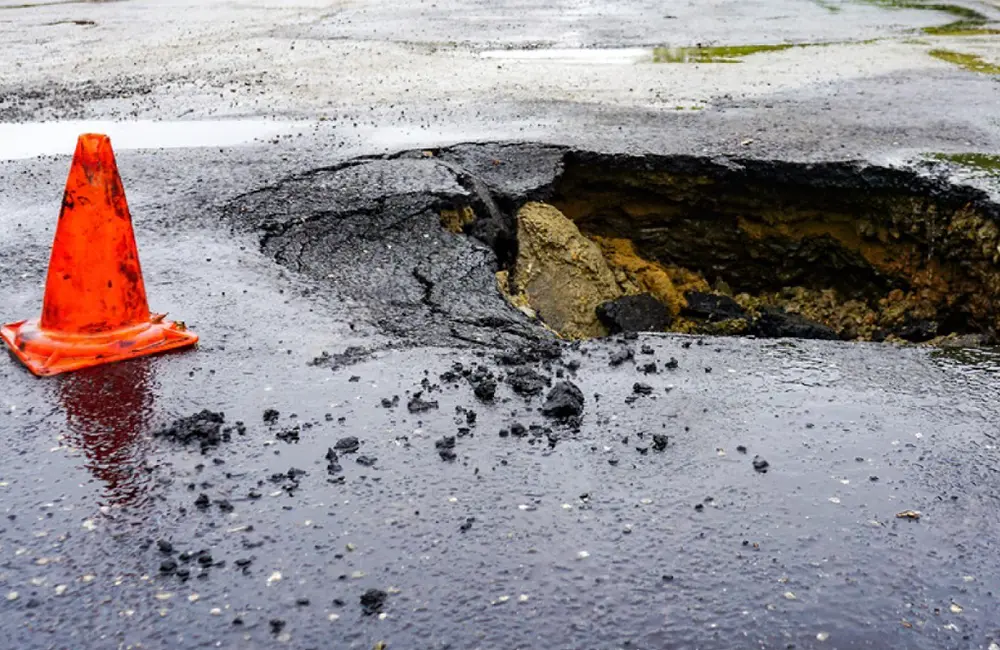
The pavement is built of strong materials, but it’s not unbeatable. Water is one of its worst enemies. When rain gets into little cracks, it makes them wider. Cracks become potholes. In this situation, you’ll need to repair it, which is costly.
Great drainage pushes water outside before it goes in. It extends the life of your driveway and prevents frequent maintenance. It also helps to keep the surface flat and free of ridges.
- Avoids Structural Damage
Poor, slow-draining rainwater is damaging to your pavement. It can damage the landscaping, too. Rain falls and water collects near your driveway. Sometimes, water can enter the house. Excessive water causes spots, erosion, and cracks. The pavement becomes weak. They will be unstable. It stresses anything near the structures.
Good drainage prevents this by removing water in the appropriate manner. It keeps the foundation of your house dry and solid. It prevents damage to walls and flooring.
- Improves Safety
Driveways and walkways must be safe to walk or drive. They get slippery without a good drainage system. This makes them risky. Surfaces become unsafe with water, ice, and algae. Cars and people can slip.
A good driveway dries quickly after rainfall. It decreases fall and accident risk. It also stops the growth of mold and moss. Your property must be safe for everyone.
Consequences of Poor Drainage
- Surface Damage
Water can be harmful sometimes if it doesn’t go away. It damages your pavement over time. First, small cracks appear. Then dirt and debris get jammed into those cracks. Weeds spring up, and the pavement begins to crumble.
This occurs more rapidly when the temperature is shifting. Water freezes in winter. It thaws again when the sun comes out. This continuous cycle weakens the pavement. With time, the injury exceeds the limit of repair. Good drainage is one way to prevent this in the first place.
- Slippery Surfaces and Accidents
Puddles don’t look good. Plus, they can be hazardous. The driveway becomes slippery. The floors are wet, so the chances of slipping are higher. Wet floors mean low friction with the shoes. In winter, it is even more harmful.
Just one patch of ice, or a clump of algae, can cause a serious risk. Even drainage allows water to pass swiftly. It clears driveways and keeps them safe all year long.
- Soil Issues
You want the area beneath your driveway to be nice and solid. Poor drainage makes the soil soft. The driveway cannot hold up. It can sink or crack. This issue extends into your garden. It carries away dirt and roots. This harms the grass. Controlling water through drainage also helps protect your pavement and yard.
Effective Drainage Solutions
- Grading and Slope Adjustments
Grading is the first step when planning for drainage. All driveways have to have a bit of slope, so the water can run off. The slope should be directed at the street or another drainage site.
If you have a driveway with standing water, perhaps the slope is not right. This can be corrected by a professional. They can alter the drainage for an asphalt driveway so that the water runs freely.
- Installing Drains
Drains can help control water. Common types of drains are trench drains and French drains. Their working principles are different, but they all carry water.
A trench drain is like a narrow canal. It stops the flow down the slope. A French drain runs underground. It only requires a light effort to keep it clean once you install it.
- Maintaining Gutters
Gutters are a major component of drainage. When they become jammed, water spills out on the pavement. This only contributes to the drainage problem. Clean gutters steadily transport water to where it should be. Downspout extensions can help even more. They channel rainwater from your driveway.
Call Garci’s for Driveway Drainage and Paving Solutions
Good drainage is paramount to any driveway or paved area. It keeps your property strong. Every home needs a rain-control plan. With good drainage, your pavement lasts longer.
Garci’s Tree Service & Landscaping is experienced in drainage solutions. We build professional drains that last for decades. Our team builds driveways and patios that drain water properly. We use modern grading techniques and materials. Hire our driveway drainage and paving services for the safety of your place.
Frequently Asked Questions
How do I know if my driveway has bad drainage?
You may see puddles after it rains, or cracks and soft areas that have sunk in. These things show that water is not going away properly.
When do my driveway drains need cleaning?
It’s usually fine to wash them every few months or after heavy storms to avoid the clogs.